A fiber with a long memory: why linen still matters
Linen, derived from the flax plant, is among the oldest textiles known to humanity. Its appeal endures not simply because of a storied past, but because its material properties address some of the most pressing concerns of modern living: breathability, moisture management, and sustainability. The linen yarn, with hollow fibers, creates a fabric that feels cool in heat and retains warmth when temperatures drop. This duality is not a trick of fashion but a function rooted in biology: linen actively breathes, wicks moisture, and helps maintain a stable microclimate against the skin.
In the home, linen’s virtues translate into bedding, towels, and upholstery that stay comfortable across seasons. In the wardrobe, linen’s light body and drape—the very texture you feel when you run your fingers along a shirt’s sleeve—offer a tactile reminder of its flaxen origins. Yet linen is not the only natural fiber deserving consideration. Cotton, hemp, and silk each bear a set of strengths and care requirements that shape how we select textiles for living and dressing.
The core properties of linen—breathability, moisture management, and temperature regulation—also interact with care. Linen is strong, but its beauty often lies in its natural tendency to soften with use and washing. It is not a fiber that demands heavy chemical processing; in many cases, it thrives with simple, thoughtful care: cool or warm washes, gentle drying, and minimal agitation. This practical approach aligns with the growing demand for sustainable textiles that respect both people and planet.
Linen vs. other natural fibers: a practical lens
When comparing linen to cotton, hemp, or silk, consider how the fabric behaves under real-world conditions: temperature, humidity, and wear. Linen’s advantages include superior breathability and a natural cooling effect—attributes valued in warm climates or during hot, muggy seasons. Its moisture management helps keep skin dry and comfortable, reducing that clammy feeling that can accompany synthetic textiles.
Cotton brings versatility and a soft hand that appeals to many. Hemp offers remarkable durability and a different kind of sustainability story, while silk brings luxury and a distinct drape. Each fiber carries a unique lifecycle, from farming to processing to finishing, and each demands care practices tailored to preserve its integrity.
The modern consumer stands at a crossroads where ethical sourcing, organic farming, and transparency inform choices. Brand labels—Naturepedic, Coyuchi, Libeco, St Genevè, and others—provide signals about organic certification, provenance, and environmental stewardship. Understanding textile certifications, such as GOTS for organic fibers, helps readers evaluate claims and make more informed purchases.
Care guides: turning textile knowledge into everyday practice
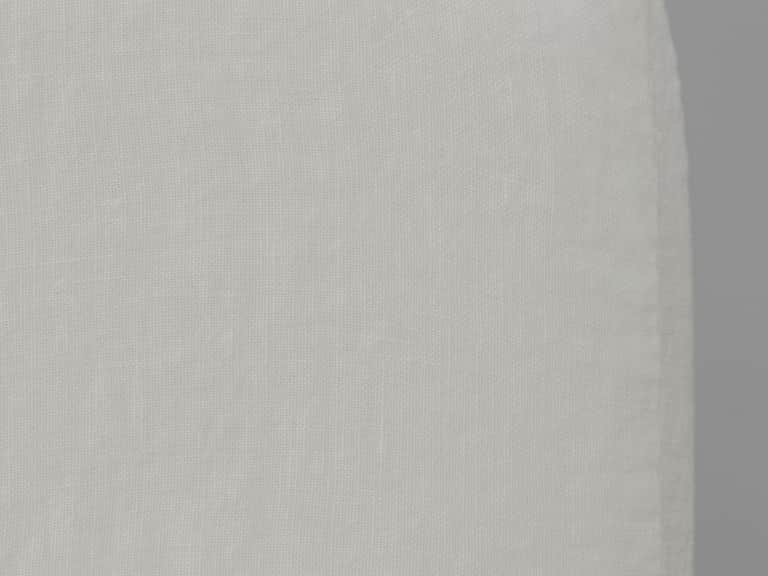
Care guides translate fiber science into actionable steps. Linen, whether used for sheets or towels, rewards gentle handling. For example, a Rem Fitted Sheet from a premium linen collection demonstrates how froissé finishes and garment-dyed fabrics contribute to a relaxed, breathable texture that remains durable over time. This piece of linen is thermo-regulating—an advantage across seasons—while remaining easily washable and low-maintenance, with little need for ironing.
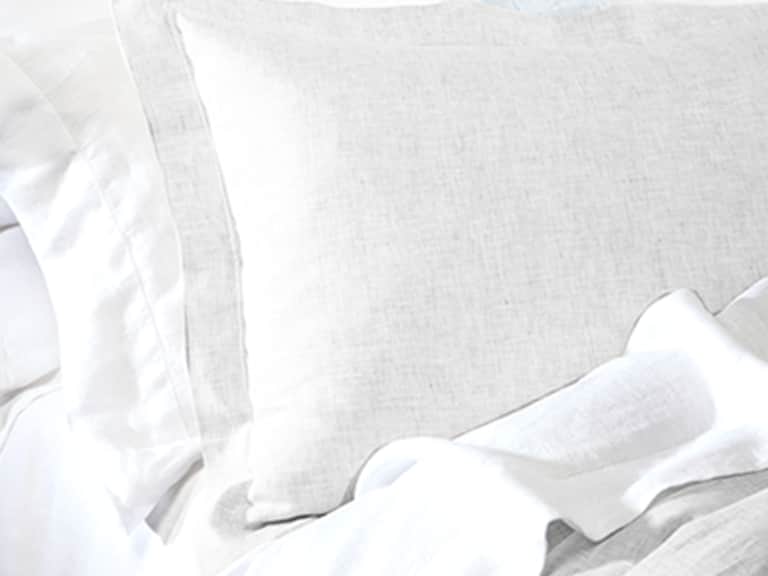
For bedding, a practical routine might include washing in warm or cold cycles, avoiding high heat, and air-drying when possible. Linen’s natural creases are part of its character; embracing this can reduce the impulse to iron and allow the fabric to age with grace. When selecting linen for the home, look for sheet sets with deep pockets, full-elastic fitted sheets, and light stone-washed finishes that boost softness without sacrificing structure or fit.
The natural lifecycle of linen makes it an attractive partner for sustainable living: flax plant stalks are renewable, and linen fibers can endure extensive cycles of washing and reuse. Certifications and transparent supply chains enable consumers to align purchases with personal values, ensuring the fabrics they bring into their homes are as responsible as their intentions.
Brand perspectives: durable textiles with a conscience
In contemporary markets, many brands seek to combine heritage with modern performance. Consider Naturepedic’s Organic Linen Sheets, a product that blends GOTS-certified flax linen from France with a modern manufacturing approach in India. The result is bedding that upholds organic integrity while delivering the breathability and durability linen lovers expect.
Coyuchi exemplifies a similar ethos with its European-grown flax linen, woven in Portugal and finished with plant-based softeners. The result is a linen line that ages gracefully and remains comfortable across seasons, a reminder that textiles can be both luxurious and practical.
St Genèven’s Avalon Linen Throw demonstrates how linen can translate beyond the bed into a living space, offering texture, warmth, and an artisan sensibility. The approach—ensuring authenticity, sustainability, and craft—speaks to a broader movement toward ethical luxury in home textiles.
A practical starter: linen in the daily routine
To illustrate, consider the Rem Fitted Sheets from a respected linen line. These sheets epitomize the marriage of comfort and care: they are designed in froissé linen with garment-dyed finishes that yield a naturally soft hand. Their thermo-regulating properties support year-round comfort, making them a staple for readers who prioritize both feel and function in their sleep environment.
Another addressable product is the Layla Linen Duvet Cover from Downtown Company. Stone-washed for softness and built with a hemstitch and flange detailing, this cover embodies a relaxed yet refined aesthetic. It highlights how linen’s texture can be elevated without compromising the ease of care—an important message for readers seeking sustainable, low-maintenance home textiles.
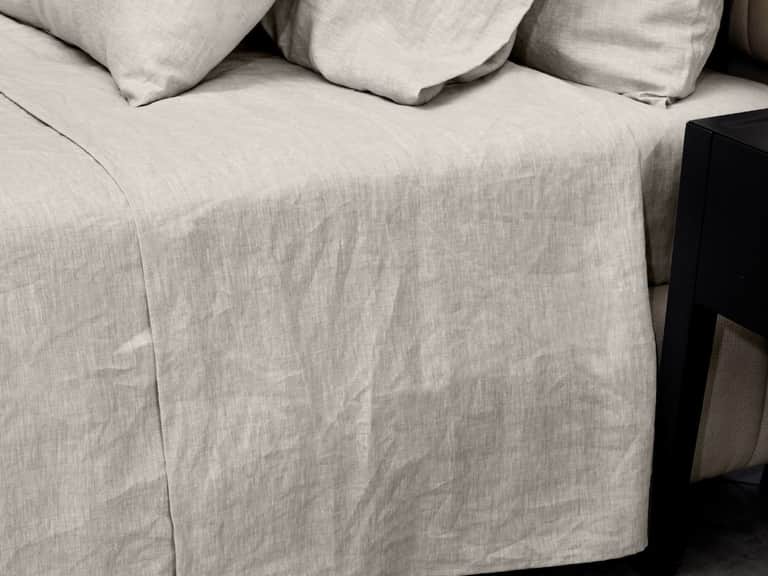
Finally, the Donatella Flat Sheet, finished in a vintage linen style and produced in Italy, reflects timeless craftsmanship. A simple hem at the edge preserves the fabric’s natural texture and aging process, inviting readers to consider linen as a living material that evolves with use.
These examples—Rem Fitted Sheets, Layla Linen Duvet Cover, and Donatella Flat Sheet—are not mere products; they illuminate a philosophy: that textiles can be both durable and beautiful, practical and luxurious, sustainable and comfortable.
Three key figures across time: linen, craft, and care
1) Hypatia of Alexandria (c. 370–415 CE) — The precursor of principled inquiry
While Hypatia isn’t associated with textiles in the modern sense, her example as a rational, careful thinker personifies the ethos that linenist champions: curiosity anchored in evidence. Hypatia’s mathematical and philosophical rigor mirrors the editorial stance of the linenist platform—an insistence on thoughtful, sourced content, and a commitment to clarity in the face of tradition.
2) Josiah Wedgwood (1730–1795) — The craft of quality and the dissemination of taste
Wedgwood’s legacy in industrial manufacturing and design reminds us that durable textiles require not just good fiber but good process. The linen movement—classic, durable, surface-appropriate for fashion and home—finds a parallel in the shift from handloom to mechanized textile production. The linenist’s mission echoes this history: to highlight durable natural fibers that endure both time and wear, with a focus on responsible production.
3) Jane Goodall (born 1934) — Observation, stewardship, and a sustainable future
Goodall’s work in conservation emphasizes long-term stewardship of natural resources. In the context of linen and natural fibers, her example underscores the broader narrative: textiles sourced with mindfulness toward ecosystems, soil health, and humane labor practices. Her legacy reinforces the idea that everyday choices—like selecting linen with clear provenance—are small but meaningful acts of planetary care.
Looking ahead, the linenist approach invites readers to embrace a practice of informed curiosity: understanding fiber properties, sustainability certifications, and care routines that extend the life of textiles. By foregrounding credible sources, historical context, and practical advice, linenist seeks to empower readers to weave better, longer-lasting habits into daily life.